September 30, 2026
Think Dairy Is Off the Table? 5 Lactose Intolerance Myths Debunked
Key Takeaways
- Lactose intolerance doesn’t necessarily mean you have to avoid dairy.
- Lactose intolerance and milk allergies are different conditions.
- Many people with lactose intolerance can enjoy yogurt, aged cheeses, and lactose-free milk.
- Raw milk hasn’t been shown to improve lactose intolerance.
- Avoiding dairy doesn’t cause lactose intolerance.
- Lactose-free milk provides the same essential nutrients as regular milk—without the lactose.
Jump To:
- Key Takeaways
- Myth 1: If You’re Lactose Intolerant, You Can’t Have Dairy
- Myth 2: Lactose Intolerance Is the Same as a Milk Allergy
- Myth 3: Raw Milk Is Better for Lactose Intolerance
- Myth 4: There’s No Such Thing as Lactose Intolerance
- Myth 5: Avoiding Dairy Causes Lactose Intolerance
- Myth vs. Fact at a Glance
- The Bottom Line
- How fairlife ultra-filtered milk Raises the Bar
- Frequently Asked Questions
Myth 1: If You’re Lactose Intolerant, You Can’t Have Dairy
On the contrary. Many people with lactose intolerance can still enjoy certain dairy foods, especially in smaller amounts or forms that naturally contain less lactose.
These often include:
- Yogurt with live and active cultures
- Aged cheeses such as cheddar, Swiss, and Parmesan
- Lactose-free milk
Lactose-free milk provides the same protein, calcium, vitamin D, potassium, and other nutrients as regular milk while being easier for many people with lactose intolerance to digest.
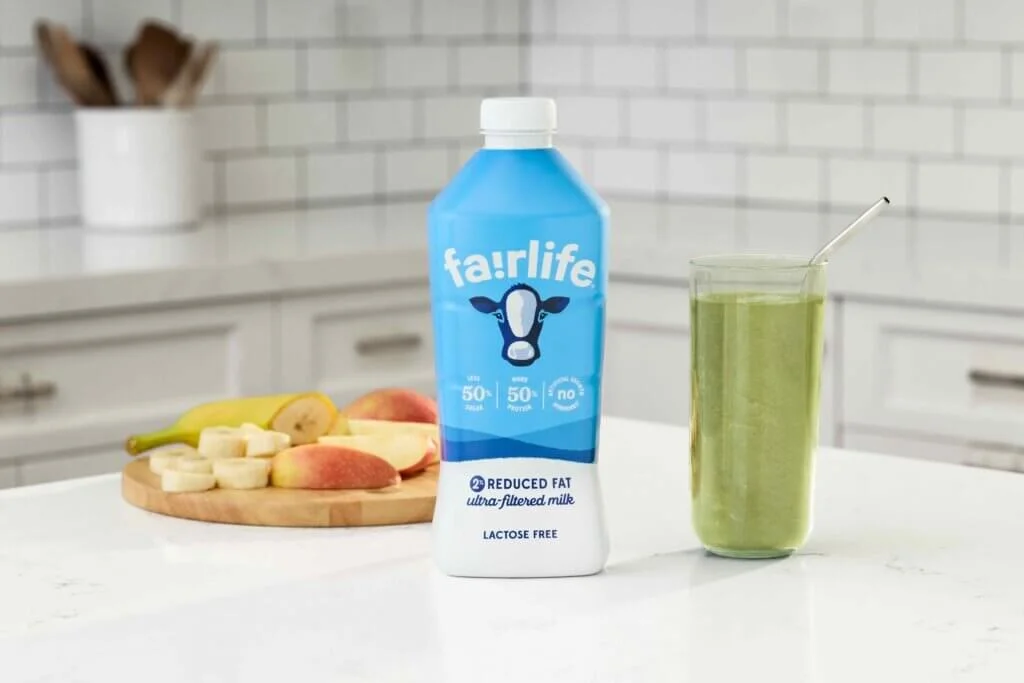
For people looking to enjoy real dairy without lactose and more protein, fairlife ultra-filtered milk is lactose-free and provides 13 grams of high-quality protein per serving.
Myth 2: Lactose Intolerance Is the Same as a Milk Allergy
They’re very different conditions. Although both involve dairy, lactose intolerance is a digestive condition, while a milk allergy is an immune system reaction to milk proteins.
| Lactose Intolerance | Milk Allergy |
| Digestive condition | Immune system condition that requires avoiding milk proteins |
| A difficulty digesting lactose | An allergic reaction to milk proteins |
| Can cause bloating, gas, cramps, or diarrhea | May cause hives, wheezing, vomiting, or anaphylaxis |
If you suspect you have a milk allergy rather than lactose intolerance, talk with a healthcare provider for proper diagnosis and treatment.
Myth 3: Raw Milk Is Better for Lactose Intolerance
The science just doesn’t support it. Raw milk still contains lactose, so it doesn’t solve the underlying problem for people who don’t produce enough lactase.
It also carries a higher risk of harmful bacteria that can cause foodborne illness. If lactose is the concern, choosing lactose-free milk is the safer, evidence-based option.
Myth 4: There’s No Such Thing as Lactose Intolerance
There absolutely is. Lactase is an enzyme the body produces naturally to digest lactose.
Lactose intolerance affects millions of people worldwide who can’t produce lactase. Symptoms vary from person to person. Some people experience only mild discomfort, while others develop bloating, gas, cramps, or diarrhea after consuming foods containing lactose.
If you’re experiencing persistent digestive symptoms, a healthcare provider can help determine whether lactose intolerance—or another condition—is the cause.
Myth 5: Avoiding Dairy Causes Lactose Intolerance
No, it doesn’t. Your body doesn’t stop producing lactase because you avoid dairy. Lactose intolerance develops because lactase production naturally decreases over time or because certain illnesses temporarily affect the small intestine.
While some digestive conditions can lead to secondary lactose intolerance, simply choosing not to drink milk won’t cause lactose intolerance.
Myth vs. Fact at a Glance
| Myth | Fact |
| People with lactose intolerance can’t eat dairy. | Many people can still enjoy yogurt, aged cheeses, and lactose-free milk. |
| Lactose intolerance and milk allergies are the same. | They are different conditions with different causes and treatments. |
| Raw milk is easier to digest. | There’s no evidence that raw milk improves lactose intolerance. |
| Lactose intolerance isn’t real. | It’s a common digestive condition recognized by medical experts. |
| Avoiding dairy causes lactose intolerance. | Lactose intolerance develops because of reduced lactase production—not from avoiding dairy. |
The Bottom Line
Lactose intolerance doesn’t have to mean giving up dairy or the nutrients it provides.
For many people, simple choices like aged cheeses, yogurt with live cultures, or lactose-free milk make it possible to continue enjoying real dairy without digestive discomfort.
For people looking for lactose-free milk, fairlife® ultra-filtered milk provides 13 grams of high-quality protein per serving, along with calcium, vitamin D, and other nutrients found in real cow’s milk.
If you’re experiencing ongoing digestive symptoms, talk with a healthcare provider to determine whether lactose intolerance or another digestive condition may be the cause.
How fairlife ultra-filtered milk Raises the Bar
fairlife ultra-filtered milk starts with real cow’s milk and undergoes an ultra-filtration process that concentrates protein and calcium while reducing sugar. Through ultra-filtration and the use of a lactase enzyme, we also remove the lactose while maintaining the classic, creamy milk taste.
Compared to traditional milk, fairlife ultra-filtered milk contains 13 grams of high-quality protein per serving, along with calcium, vitamin D, potassium, and other nutrients found in milk.
Learn more about fairlife ultra-filtered milk.
Frequently Asked Questions
Can lactose intolerant people eat cheese?
How about yogurt?
Is lactose-free milk nutritious?
Why does lactose-free milk taste sweeter?
Years ago, some lactose-free milks developed a reputation for tasting thinner or unusually sweet. Today’s ultra-filtered lactose-free milks, including /ultra-filtered-milkfairlife ultra-filtered milk, have a rich, creamy taste without the lactose.
Can you grow out of lactose intolerance?
What is in fairlife ultra-filtered milk?
Article Sources
- National Institute of Diabetes and Digestive and Kidney Diseases (NIDDK). Definition & Facts for Lactose Intolerance.
- U.S. Food & Drug Administration. Raw Milk Misconceptions and the Dangers of Raw Milk Consumption.
- Academy of Nutrition and Dietetics. Lactose Intolerance.
- National Institutes of Health. Lactose Intolerance: Information and Resources.