May 27, 2026
Key Takeaways:
- A typical cup of milk contains approximately 8 grams of protein, while fairlife® ultra-filtered milk offers up to 13g per serving.
- Milk protein is considered a complete protein because it provides all nine essential amino acids.
- Protein is important for muscle growth, tissue repair, and overall health, and both regular milk and lactose-free milk contain protein.
- Some dairy products, such as fairlife® ultra-filtered milk, have 50% more protein than regular milk.
How Much Protein Is in Milk?
Milk is widely known as a naturally nutritious beverage and a reliable source of high-quality protein. A standard 8-ounce glass contains about 8 grams of protein, making it an easy way to support daily nutrition.
However, not all milk is the same. Some options, like fairlife® ultra-filtered milk, offer more protein per serving, helping you get more out of every glass.
In this guide, we’ll break down how much protein is in milk, how different types compare, and how to choose the right option based on your nutritional goals.
Protein by Milk Type
Not all milk contains the same amount of protein. While traditional dairy milk provides a consistent baseline, options, like ultra-filtered milk, can offer more per serving.
The table below compares protein by milk type, making it easier to see how they compare per cup:
| Milk Type | Protein (per 8 oz) |
| Whole Milk | 8g |
| 2% Milk | 8g |
| Skim Milk | 8g |
| fairlife® Ultra-Filtered Milk | 13g |
| Almond Milk | 1g |
Most dairy milk varieties – regardless of fat content – contain similar protein levels. In contrast, ultra-filtered milk concentrates naturally occurring nutrients, resulting in higher protein per serving. Plant-based options like almond milk typically contain less protein unless fortified.
Why We Need Protein
Protein is an essential nutrient that plays a critical role in overall health. It supports a wide range of functions in the body, including:
💪 Helps with muscle growth and tissue repair
⚙️ Encourages production of enzymes and hormones
🛡️ Supports immune system function
The National Institutes of Health notes that dietary protein provides essential amino acids that are necessary for many physiological processes.
What Makes Milk Protein Unique?
Milk protein stands out because it contains a combination of casein and whey, two high quality proteins that work together in the body.
- Casein: Digests slowly, helping to provide a steady release of amino acids
- Whey: Digests more quickly, supporting muscle recovery
Together, they deliver a balanced source of protein that supports both immediate and sustained nutritional needs according to the U.S. Department of Agriculture.
Milk Is a Complete Protein
Milk is considered a complete protein because it contains all nine essential amino acids that the body cannot produce on its own. These amino acids support functions such as muscle repair, metabolism, and immune health.
Dairy protein is also recognized for its high quality and bioavailability, meaning the body can efficiently absorb and use it. According to the U.S. National Dairy Council, dairy proteins support muscle health and other vital functions.
Just one 8-ounce serving of regular milk contains:
- Calcium – 25% of your daily value*
- Protein – 16% of your daily value*
- Vitamin D – 15% of your daily value*
And more!
*Daily value is based on a 2,000-calorie-a-day diet
Lactose-Free Milk Still Has Protein
Lactose-free milk contains the same amount of protein benefits as regular milk, or more! The use of a lactase enzyme and the filtration process remove lactose (milk sugar) without affecting protein or nutrition content.
This makes lactose-free options great alternatives for those who are sensitive to lactose but still want the benefits of dairy protein.
Why fairlife® Milk Contains More Protein
fairlife® milk contains more protein than regular milk due to its ultra-filtration process, which concentrates protein and calcium while reducing sugar.
The result is milk that delivers:
- More protein per serving
- Less sugar (lactose) than traditional milk
- Maintenance of milk’s smooth, creamy taste
Here’s how fairlife® 2% Reduced Fat Ultra-Filtered Milk compares to other popular milk products:
| Per Serving | Protein | Sugar | Lactose |
| fairlife® 2% Reduced Fat Ultra-Filtered Milk | 13g | 6g | No |
| Regular Milk | 8g | 12g | Yes |
| Almond Milk* | 1g | 7g | No |
*Compared to the leading brand of almond milk
fairlife® Protein Options
fairlife® offers a range of high-protein dairy options designed for different needs:
| Per Serving | Protein | Description |
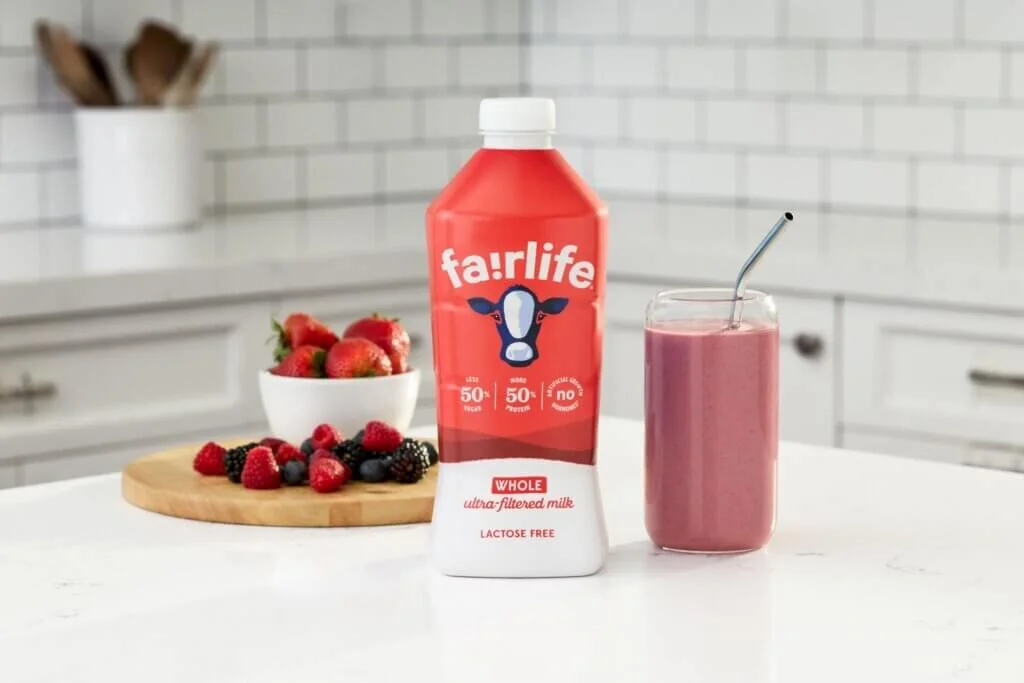
| fairlife® Ultra-Filtered Milk | 13g | A lactose-free milk with 50% more protein and 50% less sugar than regular milk. |
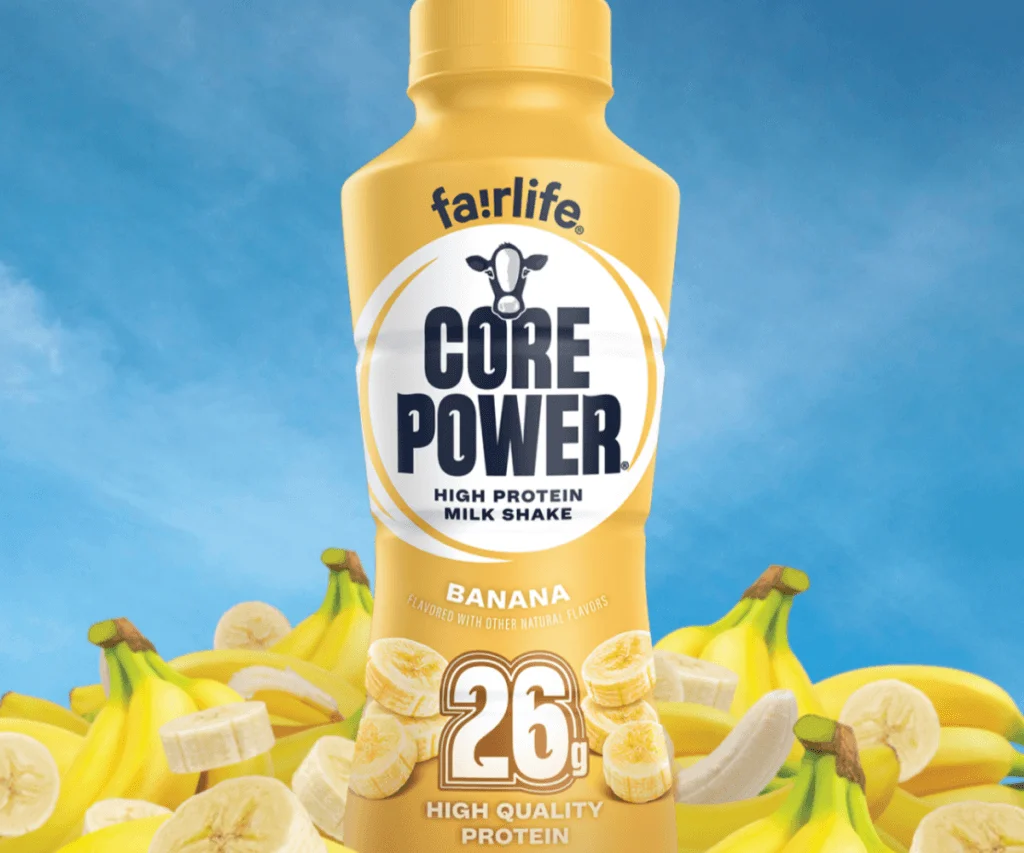
| Core Power® Protein Shakes | 26g &42g | A high-protein milkshake designed to support post-workout recovery. |
| Nutrition Plan® | 30g | A light, smooth nutrition shake designed to support daily wellness routines. |
These options make it easier to incorporate more protein into your routine, whether you’re focused on recovery, daily wellness, or simply wanting more from your milk.
Is Milk a Good Source of Protein?
Yes, milk is a reliable, high-quality protein source that supports bodily functions like muscle health, tissue repair, recovery, and overall nutrition.
Because it contains both casein and whey, milk delivers a combination of slow- and fast-digesting amino acids, making it a versatile option for a wide range of lifestyles.
In addition to protein, milk provides nutrients such as calcium, vitamin D, and potassium, which support bone health and overall wellness.
For those looking to increase their protein intake even further, ultra-filtered milk provides a simple way to get more protein without drastically changing your daily routine.
Milk Protein vs. Other Protein Sources
Milk provides a comparable amount of protein to many everyday foods. For example:
- Milk (1 cup): 8g protein
- UFM (1 cup): 13g protein
- Egg (1 large): 6g protein
What sets milk apart is its combination of:
- Complete protein (all nine amino acids)
- Natural nutritional content
- Convenience and versatility
Some alternatives may offer protein, but not all provide the same balance of amino acids and nutrients.
Choosing the Right Milk for Your Protein Needs
Understanding how much protein is in milk can help you make informed nutritional decisions. While traditional milk provides a solid foundation, options like fairlife® ultra-filtered milk offer a simple way to get even more protein per serving.
Whether you’re supporting an active lifestyle or just looking to improve your daily nutrition, choosing the right milk can make all the difference in how you meet your daily protein needs.†
†FDA finds no difference vs cows treated with rBST